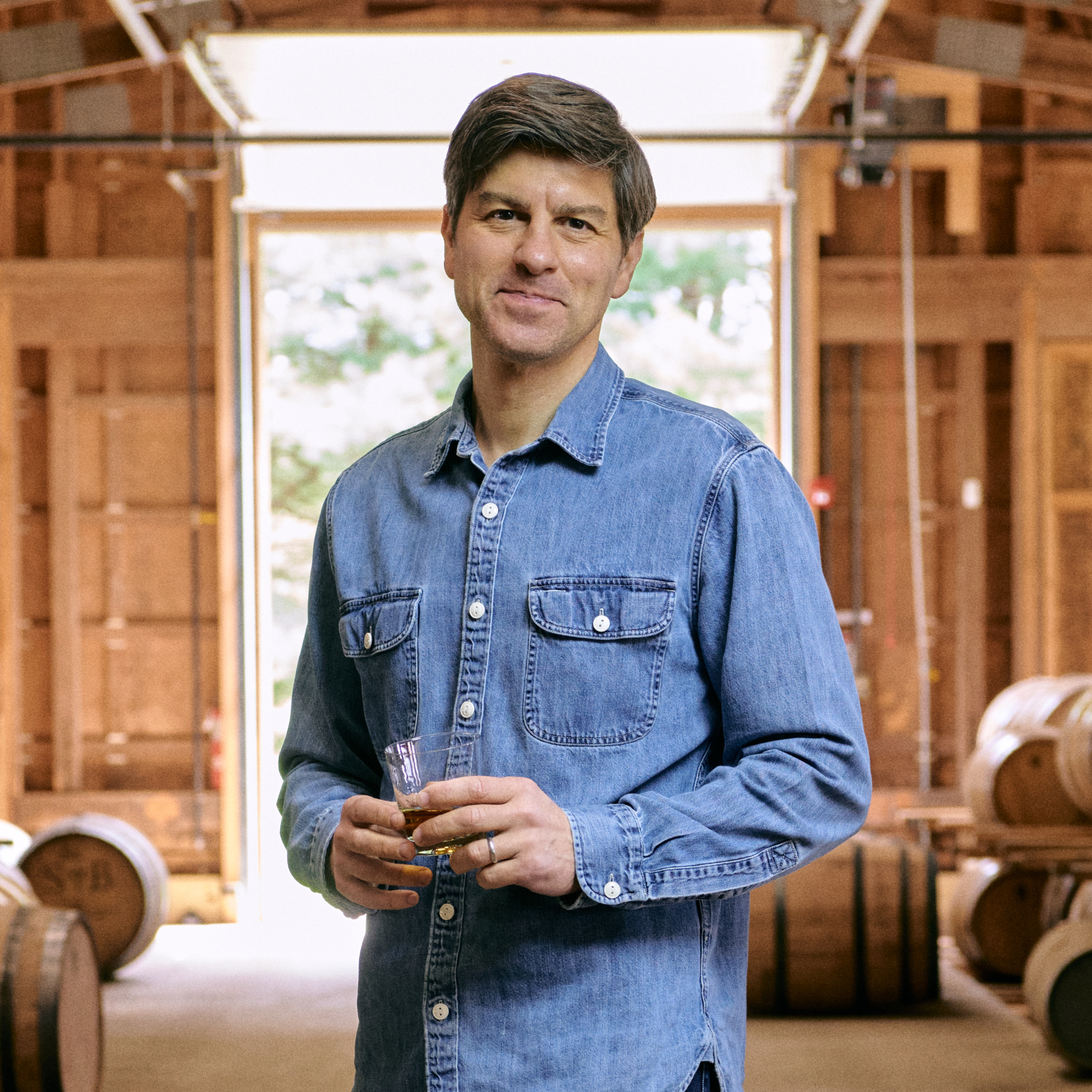
Sip Local: How to Taste Rye and Single Malt Like a Pro with Matt Greitzer, Founder of Silver Brothers
Great whiskey is one of humanity’s great achievements. Layered, complex, and remarkably diverse in flavor, whiskey speaks to the place it comes from—and, at its best, transports you there. Hudson Valley whiskeys have this quality, and learning how to approach them is an important part of enjoying them fully. I share the process in my interview with Cidiot in Episode 137.
If I’m drinking whiskey casually, I usually pour it into a rocks glass, add a small cube of ice, and enjoy. But if I want to truly get to know a whiskey, or if we’re tasting barrel samples, I use this method to peel back its layers and understand its character.
The Place: Choose a quiet, comfortable setting free from distractions and strong scents that might interfere with your senses. Our tasting room at the distillery is purpose-built for this, and we usually do our tastings in the morning when the palate is still sharp. (Though non-professionals may prefer to wait until after lunch).
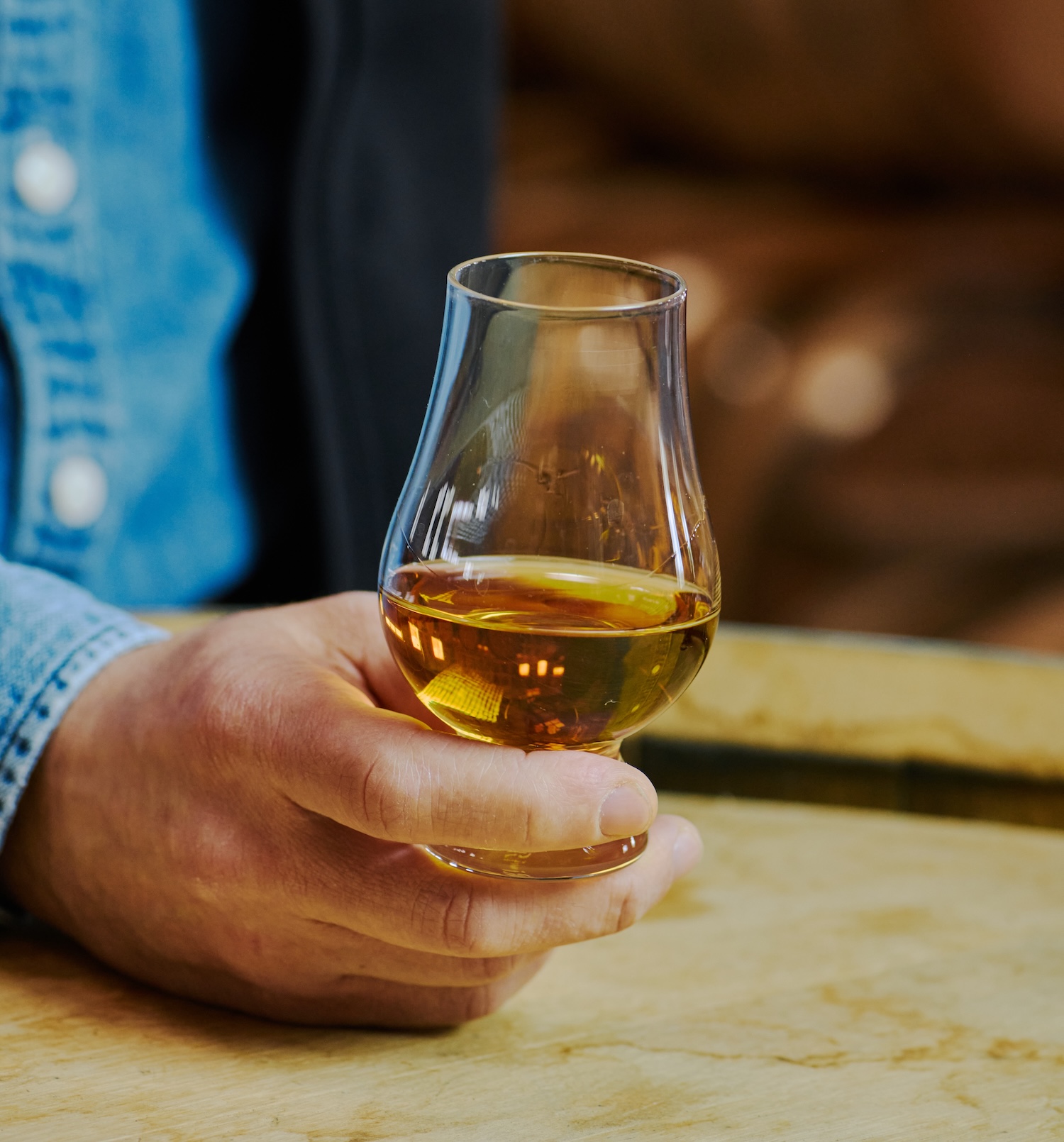
The Glass: A Glencairn or other tulip-shaped glass concentrates the whiskey’s aromas and is ideal for small, measured sips.
The Look: Pour a small amount of whiskey into the glass—half an ounce to one ounce is sufficient. Hold it toward the light and examine its color. Pale or straw-colored whiskey may suggest maturation in a used barrel, while deeper amber tones can result from new oak, fortified-wine casks, or longer aging. Tilt the glass and watch how the whiskey trails down the sides. These “legs” can offer clues about viscosity and texture.
The Nose: A whiskey’s fragrance—or “nose”—is one of the best ways to understand the spirit. Hold the glass just below your nose, keep your mouth slightly open, and take several short, gentle sniffs. The underlying aromas will emerge. Start with broad impressions—grain, fruit, spice, wood, or sweetness—before looking for more specific notes. I like to add a few small drops of water—just two or three—to open the whiskey and reveal additional aromas.
The Taste: Once you have nosed the whiskey, notice how those aromas translate into flavor on the palate. Take a small sip and allow it to coat your tongue before swallowing. This first sip acclimates your palate to the alcohol, so you may not immediately perceive the whiskey’s full expression. Pause, then take a measured second sip and let it rest on your palate a little longer. Your palate is now prepared for the alcohol, and you will often discern flavors that were not apparent at first. After swallowing, exhale gently through your nose. This releases another layer of aroma and allows you to notice how the whiskey continues to develop and transform.
Hudson Valley whiskies have a range of expressions, but ours tend toward grain-forward and local fruit flavors. Our American Single malt is a grain-forward expression, with toasted malt notes and green apple. Our rye is more layered, with black cherry, Christmas spices, and a maple-like finish. The Hudson Valley and New York State excel at rye in particular. Look for the Empire Rye designation, which indicates the whiskey is made from New York State grain from one distillery and aged at least two years.
Food pairings
If you want to pair whiskey with food, the options are limitless. Whiskey is assertive and stands up well to bold flavors – grilled food in particular given the season. To pair with a tasting, we’ve matched our American Single Malt with an aged sharp cheddar and a creamy blue cheese. If you’re a baker (or know one who’s amenable), a rugbrød matches perfectly with our rye.
Visit for a tasting
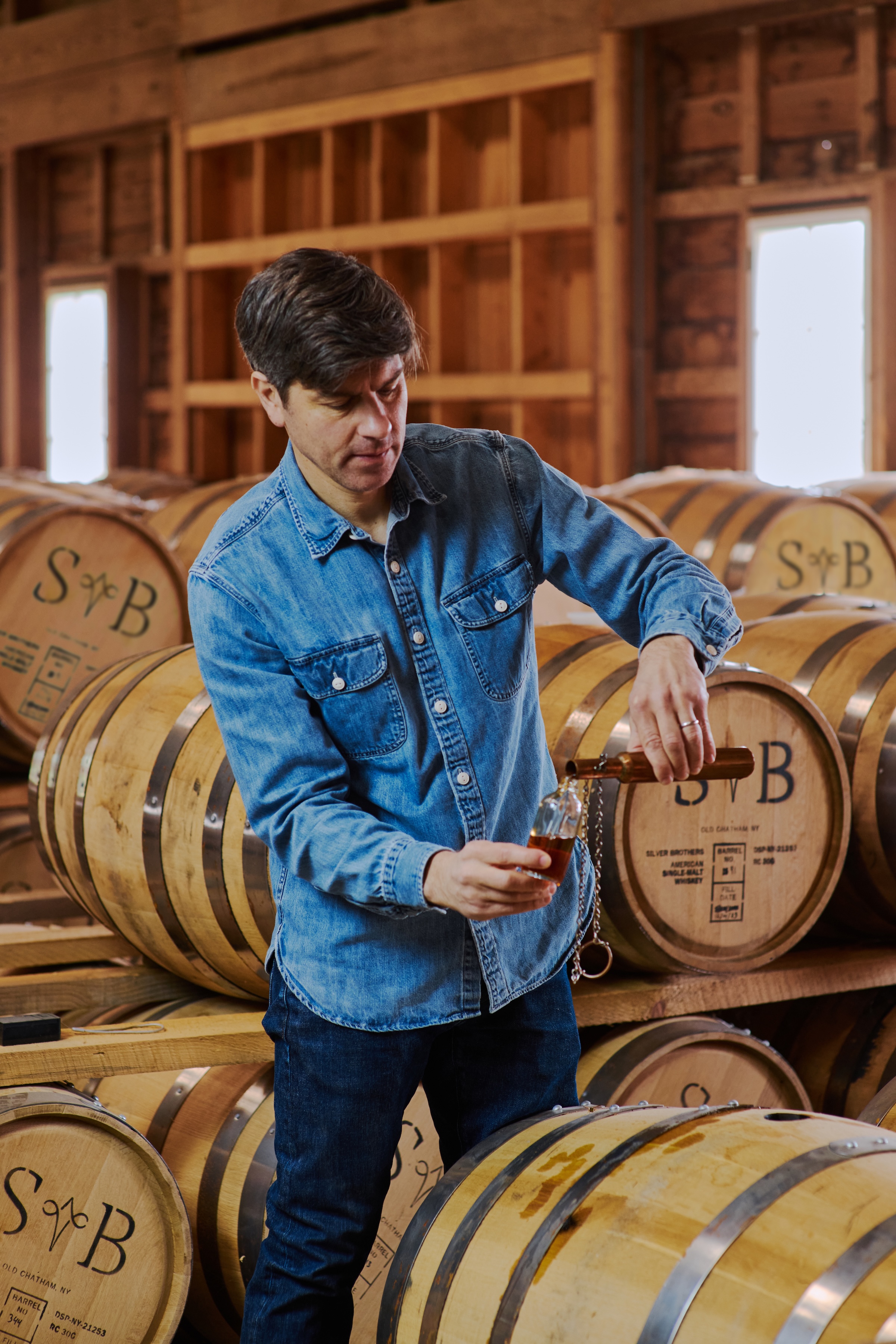
If you are curious about Silver Brothers whiskey and want to learn more, you can visit us at our tasting room on Old Chatham Saturdays and Sundays from noon to 5.
You can also purchase our whiskies online at www.silverbrothers.com and at select local Hudson Valley retailers.
Photos: John Gruen
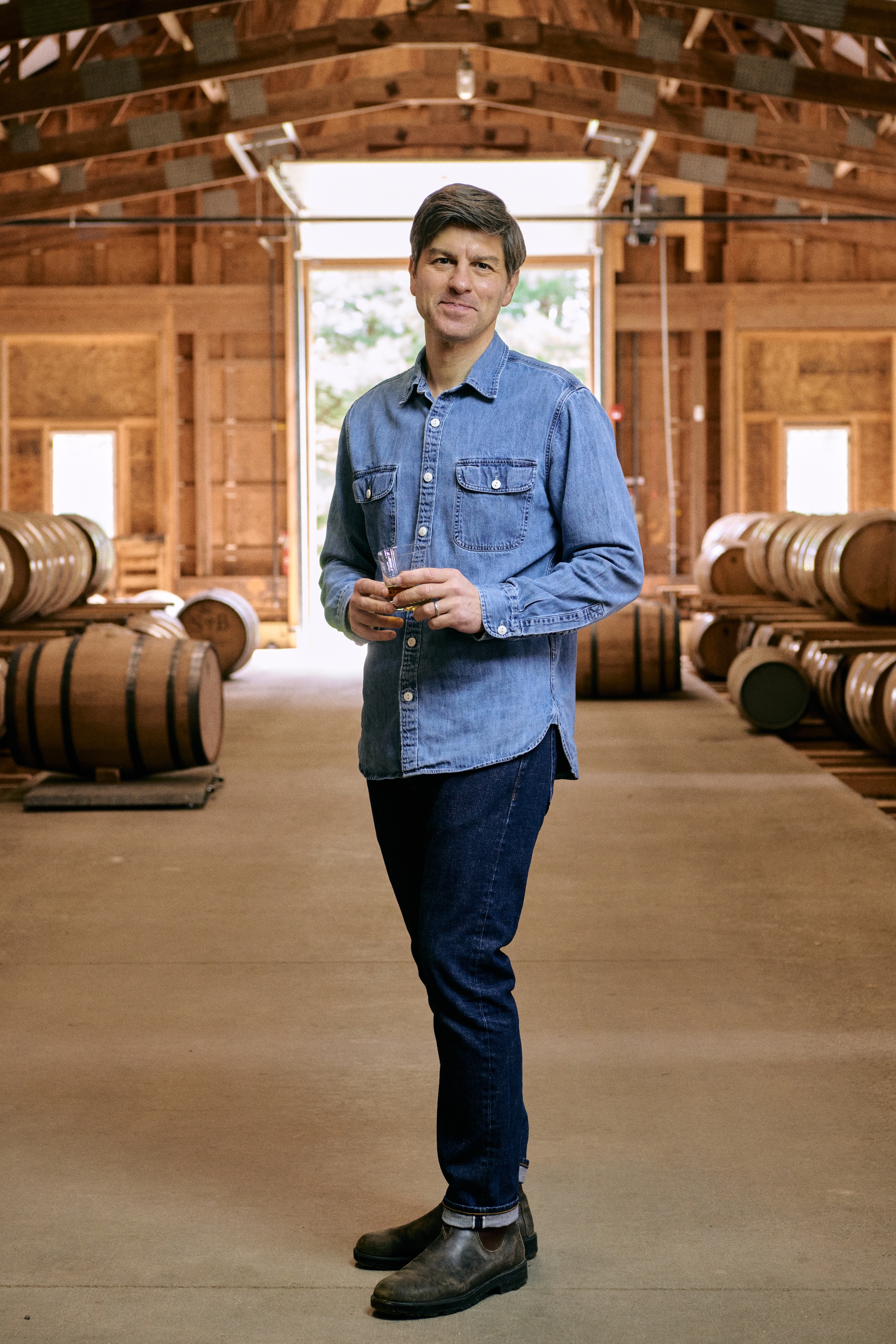
Founder, Silver Brothers
Matt Greitzer is the founder of Silver Brothers, a whiskey distillery and farm in Old Chatham, New York. He grew up nearby in Spencertown and lived in Columbia County until he was 17. After college in Maine and a few years on the west coast he settled in New York City where he spent 20+ years building companies in advertising and marketing technology, In 2020 Matt and his wife purchased the farm that would become Silver Brothers distillery, starting buildout in 2021 and production in 2023. Matt and his family moved to Old Chatham full time two years ago to focus on living in, and building a business in the Hudson Valley.
At Silver Brothers, Matt and his team grow rye and barley, mill and mash the grain, distill the spirit, and age the whiskey on the farm. The distillery’s first releases—a three-year-old rye and American single malt—reflect Matt’s interest in making whiskey that is closely connected to the land and agricultural character of Columbia County. He also serves as co-chair of the Empire Rye committee of the New York State Distillers Guild.
A Fall Foliage Guide to the Hudson Valley & Catskills