113. Resilience
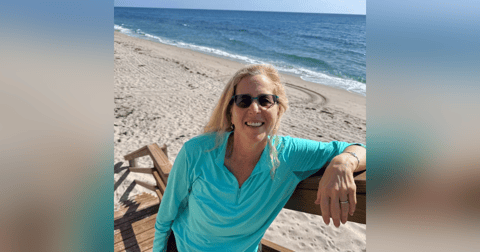


What can we learn from the nature—and animals—around us? Meet Jessica Morgenthal, host of the new, already award-winning “Resilience Gone Wild” podcast. Mat’s been a guest, and now Jessica is one on Cidiot®.
Join us for talk of talk about donkeys, goats, chickens, sea turtles, beehives, and more. Nature can be loving, nature can be harsh. The answers we’re looking for are sometimes right in front of us. And at the end, bonus: you’ll hear the real difference between turtles and tortoises.
Links:
- "Resilience Gone Wild" podcast links to listen
- Mat on Episode 20 of "Resilience Gone Wild"
- The Biggest Little Farm (film)
- What the Chicken Knows by Sy Montgomery (book)
Thanks for tuning in. Come visit.
Cidiot® 2025. All Rights Reserved
Resilience in the Country
Jessica: [00:00:00] And it happened at Disney, right? Like that little. , I think there was a little boy who was walking by and the mother went to save him. Like it was a horrible thing, and they shouldn't have, I would think at Disney, like allowed alligators to live in these ponds, they should move them to gator land. And it's kind of odd that they were there, but, , you know, if it looks like a wild pond, you don't let your kid that looks like prey walk next to the water.
We need to recognize that we don't live in Like owning the world. I mean, we are sharing this world and you of all people, like having moved to the, you know, rural world, I became quite aware of that.
Right.
Mat: know, and people come up here, and they, you know, they buy this cabin in the middle of nowhere, they're letting their
Jessica: People.
Mat: their little lapdog run around outside, and giant crow, or
Jessica: Yeah. Yeah.
Mat: is, , that, they're like, that's not a good idea, you know.
Jessica: Yeah. And the hawk will pick it up
So if you think about like the honeycomb structure of a [00:01:00] beehive that is so symmetrical and so well designed, , the spider web that, you know, there's just , there's no end to the examples of what we've learned to ways that nature has been resilient. We can learn from. So I just wanted to send that message. Like I wanted to share that awe and joy and beauty and a way to give people a metaphor for a way to a tool tools for the resilience tools for their life. , so think of a sea turtle when you think about. How you're beating yourself up for making a mistake. No, it's not a mistake. You're learning from it. Just like the sea turtle did when the mama dragged herself up on the sand, built a nest. And it was like, nope, wrong place. This isn't quite right. . It was. Just trying something and taking risks and learning so that you can do it better the next time.
[CIDIOT THEME MUSIC]
Mat: Hi, Jessica. Thanks for
coming on Cidiot
Jessica: yay. I'm so excited to be here.
Mat: Uh, well, I know I was just on your show, so now we've turned the microphones around.
Jessica: It [00:02:00] was so much fun. We laughed so much that I was like, yeah, I get to hold it to a whole laughing session with Matt again. That was
Mat: I know, I know, we were going to, , , and, , just so listeners know is that we met during the pandemic, we were in Florida, and I was there for the pandemic. And I was a Floridiot , for a few months. And you lived there part time. And we met at your friend and my sister's friend Cecile's house.
Jessica: Yeah, yeah, and I got to meet Brian and I actually spent a whole ton of time talking to Brian and it was so much Fun. I was so sad that you guys did not decide that being left Floridia. It was
Mat: I know. It wasn't for us. Although, you know, talking to you, and because you live on Turtle Island,
like Singer Island, right, with, I mean, we started this before you had the podcast.
It did pique our interest because we never think of Florida as this kind of, even though obviously it is, this natural wonder of all wildlife and science.
Jessica: So as you put it at the end of every one of your podcasts Come visit.
I don't know if I said that right. Like, come
Mat: yeah, [00:03:00] that's it.
Jessica: the most beautiful, come visit. So come visit.
Mat: Alright, I'll come visit, I'll
Jessica: And by the way, all I've been thinking about all day is that I need to start a Floridiot podcast. So you need to franchise
Mat: Oh, please, yeah,
Jessica: so we can do this in every, every
Mat: Oh, that's a great idea. I could, yeah, I could finally make money on this thing.
So that was Florida, but you also have a connection to the Hudson Valley,
start, start with that.
Jessica: most of my life was Hudson Valley. I grew up in Manhattan. That's not Hudson Valley, but I You know, the Hudson river does go through the Hudson valley. so I was really connected to that. And then I spent 20 years raising my kids in Armonk, which is in Westchester County, but I was thinking about like in between, and I was actually Googling what is Hudson valley. And it goes all the way up to Albany and Troy and Rensselaer. And I went to RPI, which part of Hudson Valley
and it is I was so excited and I worked in Albany also while I was I was interning at the egg I don't [00:04:00] know if rain knows the egg. Is it still there in Albany the legislative thing? That looks like an egg
Mat: Oh, that structure. Yeah, yeah, yeah.
Jessica: yeah, yeah. And I learned to ski in the Catskills. So, you know Bel Air and Hunter And, , I try to get up, I go to Beacon, I go to Storm King, I, , I, we golf in Croton, which is northern Moschester. So I am such a Hudson Valley kid.
Mat: Yeah. That's great . So then how did you get into science? I mean, listeners probably have heard me on your should discover it, resilience in the wild, and it's got a whole take on making, I think it makes science very accessible, but it also teaches, teaches us humans what we can learn from, , nature animals, but there's a science bent to it too.
So how did you get into that?
Jessica: I guess it started with growing up loving science. , so I went to Rensselaer RPI and I was, , just a very poor scientist. Like it just wasn't one of these geeky, [00:05:00] really good science thinkers. , so I started studying the impact of science and technology on society, which really, it, it like flowed through with like, how do our behaviors change? Based on what we do, how we live, the energy we put out all different aspects. So I studied that for years and worked in it for years in many different aspects between technology and religion and, , marketing. And I dabbled as a consultant. I did like a two year project for Cargill, which was actually kind of my first
into, you know, the city kid, literally like the only time I ever met it. farm animals was at the children's zoo. And I was , working on the agricultural business of one of the largest agricultural companies in the
Mat: that's hard to work.
Jessica: that's like total consulting, right? Like you send somebody who knows absolutely nothing and they figure it out. So, , I was sitting in farms with farmers and near silos in the middle of [00:06:00] absolutely nowhere in Iowa and Nebraska and like all these
Mat: Oh, wow.
Jessica:I think, you know, like thinking back. I think that that all connected me. And we were talking about the science of agriculture, at the time, , I had gotten my MBA not that long before, so I was, , all about the business side of it. And I was all into, seed science and the, , mono farming and like, you know, scale and all that.
And now, because to a completely different place now that I'm really focused on nature and the environment and you know, doing some reading and, learning about the Hudson Valley, you know, it's much more small farms and regenerative and sustainability , and family farms. And it's just such a different place that feels so much more comfortable to me.
So,
Mat: I love learning about it, too. Even those words you just used, I've only learned recently, like, monofarming is like pigs or chickens. It's like one thing at a time, right?
Jessica: yeah,
Mat: Right? And it's just like kind of myopia on it, too. And
I'm like, Right, no system, ? And while [00:07:00] regenerative is more like, there's a farm up here, , Hearty Roots, and they have, , there's a pig over here, there's chickens running around, there's vegetables, so, the soil's being moved around, and all the animals are, like, , it's integrated, so that's regenerative,
right?
Jessica: It's a system that regenerates itself. So,
you
Mat: that's good. Regenerative, good.
Mono, bad.
Jessica: And I don't know, I recommended a while ago that you, , the film, The Biggest Little Farm, tells this great story of it. And, and you see the difference , and not to spoiler alert, in the film you see that the big The mono farm doesn't do too well in the forest fires and the regenerative farm is resilient.
It's got deeper roots and connections between things that take care of each other and regrow. It's a completely different world. It's so beautiful that you live in the Hudson Valley where. You know, this is sort of more of the mentality that people are talking about, you know, and,
Mat: Yeah, it feels really natural. It feels almost silly to do [00:08:00] a goat. You know, , why would you just do goats? you know, get a
Jessica: I mean, you've got your donkey that takes care of the goats and then the goats of the sheep. Like everybody's got to be in the
game.
Mat: got a job!
Jessica: Everybody's got a job. Yeah. I was
of , your garden where you had the flowers versus the vegetables, but you
Mat: oh yes, that was very important. Flowers versus vegetables, And
Jessica: a whole bunch.
Mat: won, except me, because I waited too long to pick up the kale. So what was the dotted line to get to your podcast,
Jessica: It's called Resilience Gone Wild and it's all about what we can learn from nature because let's be real, I mean, this earth has been around for billions of years, right? And we humans have been around a lot less than that. Like all these species that we're surrounded by have adapted and survived and thrived for millions or turtles.
Like sea turtles like a hundred million years. , it's living in a vacuum to think that we know better than what we, and that we can do better. That we've got all the answers when they're all in front of us. And reality, so much of what [00:09:00] we do is biomimicry and, and learning, but we don't share that.
Like we think like if, if, and I, it's funny, recently I read an article about how Ozempic, which is like huge, right? Like the, like , glutides, whatever they're called, , was actually learned not a few decades ago, not that long ago, in the So from a scientist researcher who was looking at the Gila monster in New Mexico, where it's like the only place that lives, then only ate a few times a year. And , it's such a common story that no one knows that, right? Everybody thinks that there were some like genius scientists who just figured it out from scratch, but pretty much most of the time, nature had some lessons that they offered that led to whatever came next and whether it's architecture or art or, , any sort of design , it's comes from nature.
So I just thought that was the coolest thing. And if we're doing it, [00:10:00] But we're doing it because it works and we've seen it work. So if you think about like the honeycomb structure of a beehive that is so symmetrical and so well designed, , the spider web that, you know, there's just , there's no end to the examples of what we've learned to ways that nature has been resilient. We can learn from. So I just wanted to send that message. Like I wanted to share that awe and joy and beauty and a way to give people a metaphor for a way to a tool tools for the resilience tools for their life. , so think of a sea turtle when you think about. How you're beating yourself up for making a mistake. No, it's not a mistake. You're learning from it. Just like the sea turtle did when the mama dragged herself up on the sand, built a nest. And it was like, nope, wrong place. This isn't quite right. . It was. Just trying something and taking risks and learning so that you can do it better the next time.
Mat: This would be very new for me. Cause I always think about, and this season I'm [00:11:00] trying to emphasize getting back to appreciating what's around you, but this is a step beyond it. Cause this is , okay. Look at the goats, but what can we learn from their behaviors? Or the spider, so shriek at the spider, and then , what can you learn from the web?
So what should I look for to learn in what I see around me?
Jessica: So when you think of metaphor, the interesting part about it is that we all see things differently. So, if you look at a turtle, a sea turtle, you might see That this represents protection. There's this amazing protective armor that I need to have around me. this turtle is protected and I need to that's what it represents for me. But others might, and a sea turtle doesn't do this, but others might be like, okay, is a place to go and hide and be, and go into yourself , and be focused on yourself , and get some chillax, you know? ,
so, the [00:12:00] challenge and the opportunity is to watch nature. And I've talked to a few people, , like five minutes. at a time with no distractions. Like don't take a picture. Don't
Mat: Don't take a picture.
Jessica: phone, right? Don't take a picture.
right? Just five minutes. You can take a picture after five minutes. Somebody else said 20 minutes because at 20 minutes you're watching not just The way it looks or like single sensory experiences, but you're seeing behavior, you're seeing how nature is acting within connection with
other, because things change, things move, even
Mat: gonna be hard, hard for the city people listening. Slow down and stop
Jessica: I mean, you do nothing for five minutes at a time in New York, right.
Like or in city. So, that is a huge change in,
in
Mat: Yeah, I like it.
Jessica: , I listened to some of your episodes about the animals and like the cows, one of the farmers talking about cows and if you watch long enough.
And he said, all he wants to do is sit and watch the cows and he [00:13:00] doesn't have enough time. He doesn't make enough time to just sit and watch the cows. But when he does, he sees the hierarchy and some cows babysitting for other cows and
Mat: Oh, right,
Jessica: people relieving each, I know like you've had a hundred and thousand episodes, but there's the ones.
Mat: No, but I haven't talked about that, about the dynamics within them.
Jessica: But he was talking about. If you watch for five minutes, you kind of just see that all the different colors of the maybe, right? But 20 minutes, you're like, hmm, how come that cow is talking to that cow and that cow just ate and now the other cow is eating and now the new one is watching. The baby's , it's so like 20 minutes, you know, , and that's where to go with , what can you learn from that? Right. The lesson of the cows and the babysitting for each other is we live in community, right? So if you can put yourself out there to be there for someone else. They'll be there [00:14:00] for you. it's a relationship.
have to offer yourself up to give as well as receive.
Mat: What's a terrible lesson. Do you think a Bad behavior. And it doesn't have to be a snake or anything, but when someone does something bad, , I've seen sheep where one gets left behind, and it's not the black sheep, like the bad sheep or the rebellious one, they forgot, they forgot one of them or he's slow,
Jessica: I was just reading Cy Montgomery's new books. Cy is an author. She wrote Soul of an Octopus. She's on one of my episodes as she's, I'm a, just a huge fan of Cy's and, , she just wrote a new book about chickens. Which, yeah, you would love. And it's not that long, actually. It's a pretty short book.
I listened to it yesterday and she, , gives the answer to your question. , the reality is that nature isn't always kind to each other either. Right. It's survival the fittest. It's. You know, , doggie, dog, whatever. And the chickens, there was a family of chickens that somebody [00:15:00] had in their farm and they loved their chickens.
They would cuddle with the chickens. Like these were like chickens who like they really
Mat: they come up with. a
Jessica: they did know really, if you want have a relationship with a chicken, pick the chicken up and hug the chicken. That's the answer. There was this one sort of runt of the litter, and it turned out there was like a hole in its brain, in its skull. Like it was really a weak link, right? But it was adorable. And it was surviving. Some animal got to it and almost killed it. And it turns out that if a chicken sees a Blood for whatever reason and we would have to guess what the reason is whether it's to avoid, you know, a hawk smelling the blood and coming and getting other ones or Whatever, you know the lesson is you might learn They will peck the hurt chicken till it's dead. I mean they will just kill it They don't want that.
Mat: Yeah. Yeah.
Jessica: This was their friend though. So like, you know, this family saved the chicken and , that's a story, but we're animals, they're animals. You know, we, ,
Mat: we do that
Jessica: right. We do that too.
Like [00:16:00] alligators, you know, are known to, , lions. I was in Botswana and the lions will eat the babies if they think they're not theirs. Because they only want their gene pool and that's a really common thing, right? So you've got these like crazy adorable little tiny lion cubs, right? And they kill them. , the reality is at least they do it for survival of the species and, , only so much food around. So you have to, make sure that there's enough food for everybody or everybody's hungry. So you kill off the weak ones, , that kind of thing. It's interesting.
Mat: Do you have any wildlife, That you really hate, , I, I freak at snakes. I know there's good snakes, but I don't think so. Bears are big in the Catskills, and I'm on the other side of the river, so we don't really get bears as much.
I probably would have strong feelings pro or con bears if I were on the west side of the river, but I don't, so I feel dispassionate, but do you have any things you feel, like, strongly about, like, against, ?
Jessica: You know, [00:17:00] people are really afraid of alligators, especially on golf courses and stuff.
Mat: Oh, yeah, they come out and grab you
Jessica: but they don't, they're so cool.
Mat: oh, come on, you always read these terrible stories of this woman jogger running by, and then he
Jessica: but it's one story. That's the psychology issue, right? Like there's the science people pick the one story. It's the single
problem, right? And then it grows and it's like the common thing that's going to happen is the alligator is going to jump out. And it happened at Disney, right? Like that little. , I think there was a little boy who was walking by and the mother went to save him. Like it was a horrible thing, and they shouldn't have, I would think at Disney, like allowed alligators to live in these ponds, they should move them to gator land. And it's kind of odd that they were there, but, , you know, if it looks like a wild pond, you don't let your kid that looks like prey walk next to the water.
We need to recognize that we don't live in Like owning the world. I mean, we are [00:18:00] sharing this world and you of all people, like having moved to the, you know, rural world, I became quite aware of that.
Right.
Mat: know, and people come up here, and they, you know, they buy this cabin in the middle of nowhere, they're letting their
Jessica: People.
Mat: their little lapdog run around outside, and giant crow, or
Jessica: Yeah. Yeah.
Mat: is, , that, they're like, that's not a good idea, you know.
Jessica: Yeah. And the hawk will pick it up
. Um, you know what, it's a funny question when you say, is there anything that I don't love in nature? I actually haven't met anything yet. You know, , it could be the ugliest animal.
It could be the smelliest animal. It could be the scariest, but I just have created a different relationship. Like when I, I'm just start with awe. and curiosity and respect. So the first place to go is, you know, I grew up in the city, right? We think we're king and queen of the universe and get out of my way.
You know, like this is my space. This is, I got stuff [00:19:00] to do. I got places to go. I got things to buy things. Deals to make. So, it's a change of mindset, right? Like we are in this together. We're in community now. The pace is here. You're not going to change the pace, live being when in Rome, like when in rural, when in cute little town,
Mat: Yeah, I want people to enjoy it. Like on your
show, we talked about laughter and how that was, I didn't even realize until I talked to you that that was my coping mechanism. The way I adapted is by laughing at all the things I didn't know. And that surprised me. And it worked, like it made me happier and it was a good, I think a good technique.
Jessica yeah, but I think what came before the laughter if you stop and sort of process It was awe like you when you talk about the goats like you want you to
or the spider, right?
Mat: Like what, well, first of all, it's like, like, what is that?
Jessica: Yeah
Mat: Like, is that a goat or a sheep? Like, what's the difference between a you and a, you know, there's all those, like all those variations, [00:20:00] how to get it, you know? , then it's like, yeah. Oh, wow. That's impressive. They're hilarious. And then they do stuff and then you have reaction.
I think you're right. I think it starts with noticing. It's just like when you're driving down a country road and all of a sudden this flock of ducks will just like. Blocked the road and it's a, it's amazing
and I always wanted to create like a city at tour where I have people from the city come up.
I drive them around in a van and, but I time it, they don't know, but I work it out with the farmers 12. 06, when I turn around the bend, they let the ducks out and all of a sudden we have to stop and photograph. Oh, what happened? It's an accident, but it's not like I wouldn't like planned, you know,
Jessica: Absolute That is so funny. I'm, I'm, I'm there. So I'll
Mat: I know, like more 20 bucks, right?
Jessica: , I think that we city, we, we city people, , we're not living life fully. we don't have those moments of awe. Like we don't have those moments of, of magic and of [00:21:00] curiosity.
Mat: Well, I mean, you're in the cement jungle, though, when you do see a bird, you do see something natural, the view of the ocean, I do think people take notice, and they, they do. So there, I think there is, but just, it's, it's rare, but I bet it's impactful.
Jessica: Yeah. And it's more rare because we're always on our phone, right? Like how often,
not just city people, like it's, I'm sure it's country people too, but like how often does somebody say, Oh my God, did you see the bird? And you're like, I was on my phone. Oh wait, let me take a picture. Where's it? You know?
Mat: Or, yeah.
Jessica: If you're gonna live in a beautiful place like where you live or where I live, what's the point in being here and not. It's about bringing this into your life as fully as you can. And learning from it.
Mat: With your podcast, , Resilience Gone Wild, if somebody wanted to go start to listen right now, which they should,
Jessica: Thank you.
Mat: Where do you think people should start if they're curious and they're not like scientists? It's like
country, me, like, like [00:22:00] which episode you've been doing this now for a season, right?
Jessica: We started in September, so we're on, we decided the season would be like the school year
Mat: You've done a lot of episodes.
Jessica: Yeah. we have, we, we've dropped 21 and we've got, we're, we're ready through, we're like gone through June and then we're, we're thinking about doing pets during the summer, like something really Yeah. Pet, ducks, pet, whatever, but pets. cause I think it's, so you have the same Duck versus geese thing in there.
Mat: Again, I always forget there's a difference
Jessica: Yes.
Mat: you read Aww,
Jessica: recognize it when you see them though. So I would say start with cidiot at the episode with Matt, because it's and the one before it, like the, the format is, and, and a number of them I
Mat: Yeah, you did my narrative first. You did citymouse becoming a Countrymouse.
Jessica: was just a funny
Mat: it was like a storybook. It was like children's storybook.then you interviewed me the
Jessica: Right. And it talked about how humor is a resilience tool. And I got to with Matt
Mat: it. was more the lesson. People will learn more from the first one.
Jessica: They're both great. And then I'm doing like these up [00:23:00] close and personals with all these really interesting people.
I meet from all over the world, , who have great stories about how a moment in nature changed them. And we can all have those moments if we just stop, right? Each one of those moments that you shared on City and that I made into the City Mouse Country Mouse, you know, the spider in the shower, the bat flying overhead, the goat, the donkey, each one of those times when you like completely interacted with that animal
Mat: yeah, that's great.
Jessica: start from one, honestly, like the first episode is about not making mistakes and owning that. You can learn instead of shame yourself and that that is how we should be living. So start with, start with the number one. Yeah. Everybody sea turtles,
Mat: Yeah, and one, one last question. The difference between a turtle and a tortoise.
Jessica: right? So a turtle is, does not walk on its legs. A tortoise is land based and [00:24:00] walks. So it hand, it has like hands and a turtle swims and has. There's
Mat: the geese duck thing.
Jessica: a few other differences, but that's the gist. So if it has flippers, it's a turtle.
Mat: Legs land, swim. Got it.
Jessica: Yes. Right. I mean, it's a little confusing cause there are turtles that live in ponds in Hudson Valley for sure, or in the river, whatever, they come out of the water and you know, most of them are actually tortoises and they walk, but they also swim, like you can't come out and be comfortable if you're a turtle, but you can come out And go in if you're a tortoise anyway, so
Mat: That might be
Jessica: I have that. All right.
Mat: Yeah, that's amazing. Thank you so much.